Where looking is a way of thinking
DakshinaChitra's education programs connect students, schools, researchers, and curious visitors directly to architecture, craft, folk performing arts, and living collections.
For schools and institutions
Plan an educational visit
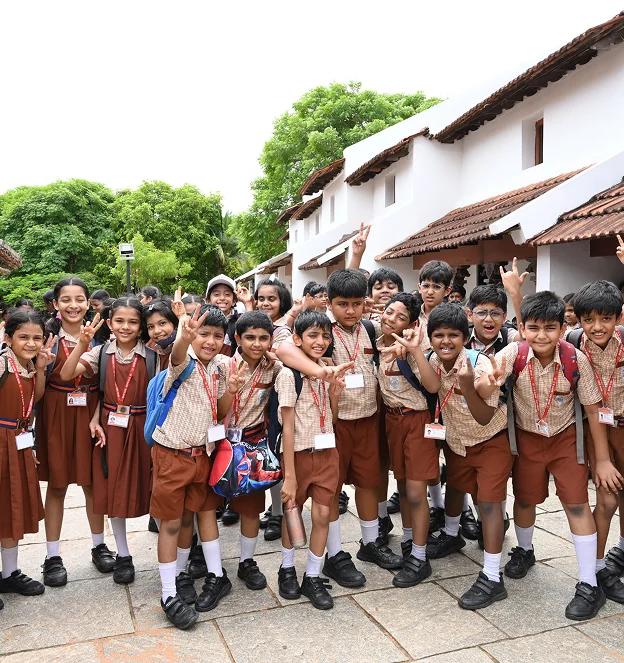
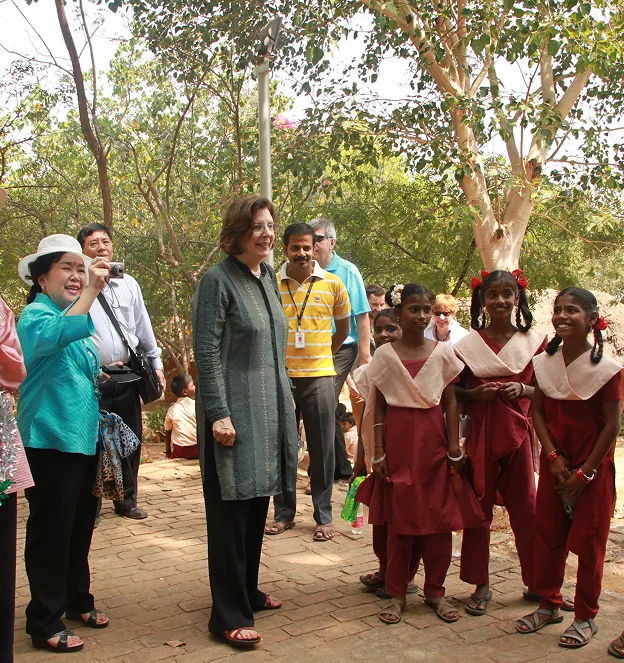
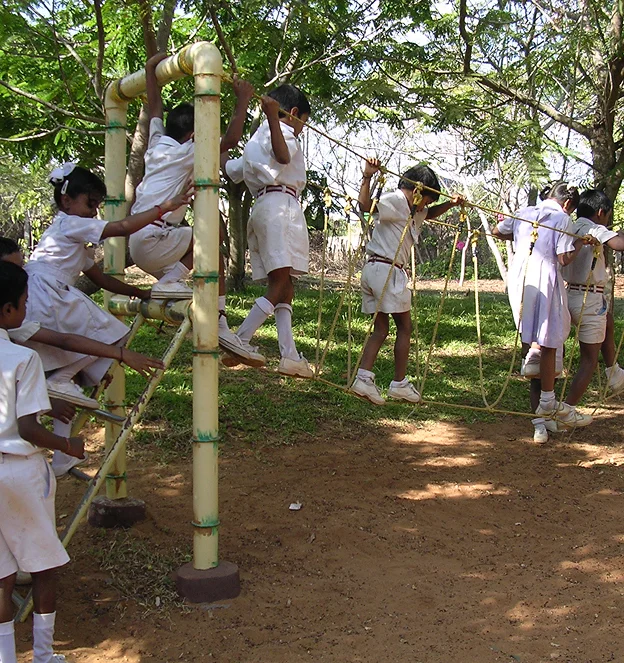
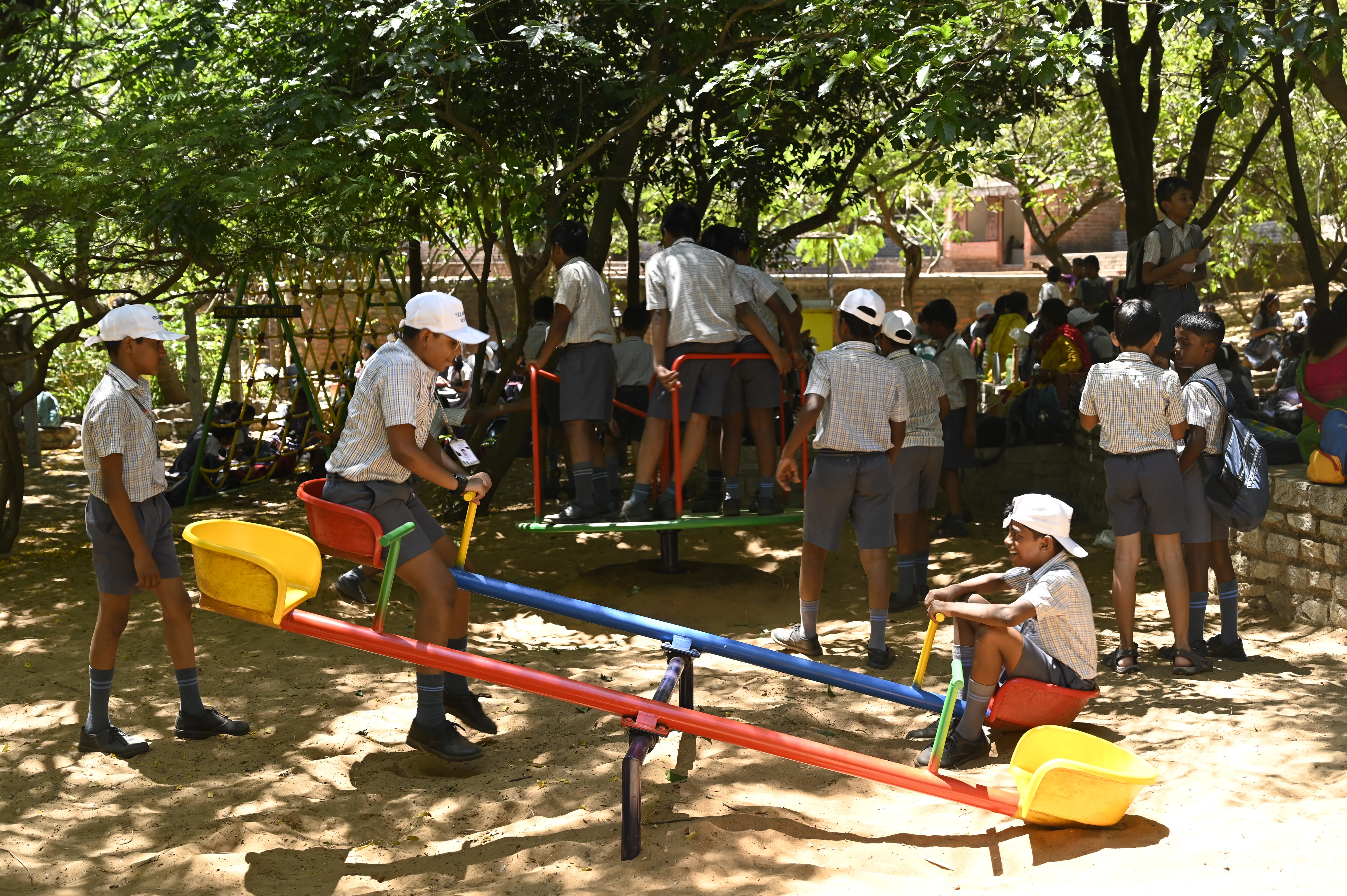
In 2024–25, 386 schools brought students here. They walked through a Chettinad merchant's house, watched a shadow puppeteer work, handled materials used in traditional construction, and drew floor plans of houses built for lives that looked nothing like their own.
Programs are available for groups of 10 to 500 students, across all year groups and school types. Each visit is planned with the education team and can be shaped around a specific subject area, curriculum need, or duration. Free visits are arranged for students from special schools and underprivileged backgrounds.
Open to all ages. From nursery to senior secondary.
Groups of 10–500.
Every school type and group size is accommodated.
You can view and download our policy and consent document in the 'book a visit' form section.
Please read our consent document and ensure you are aware of all the rules before booking your visit.

College Visits
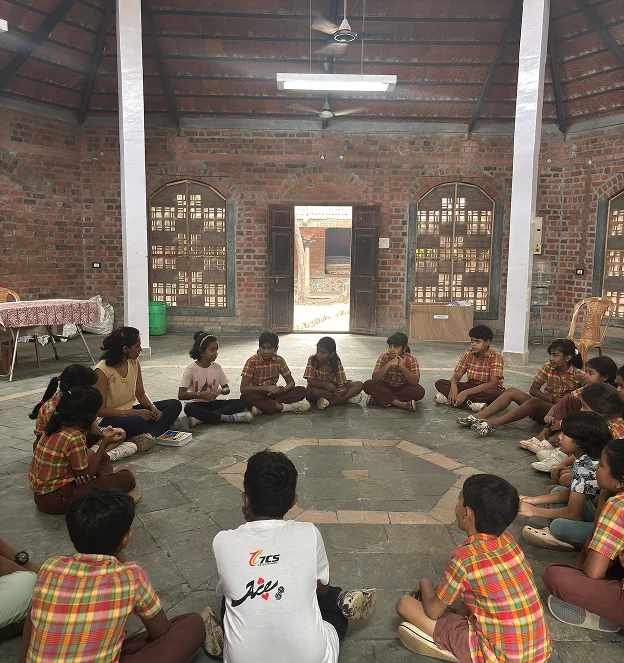
We offer specially curated workshops, seminars and interactive educational programmes for colleges, designed to complement their academic curriculum and learning modules. Programmes can be tailored to specific subjects, disciplines and student interests, providing opportunities for experiential learning, creative exploration and engagement with art, culture and heritage.
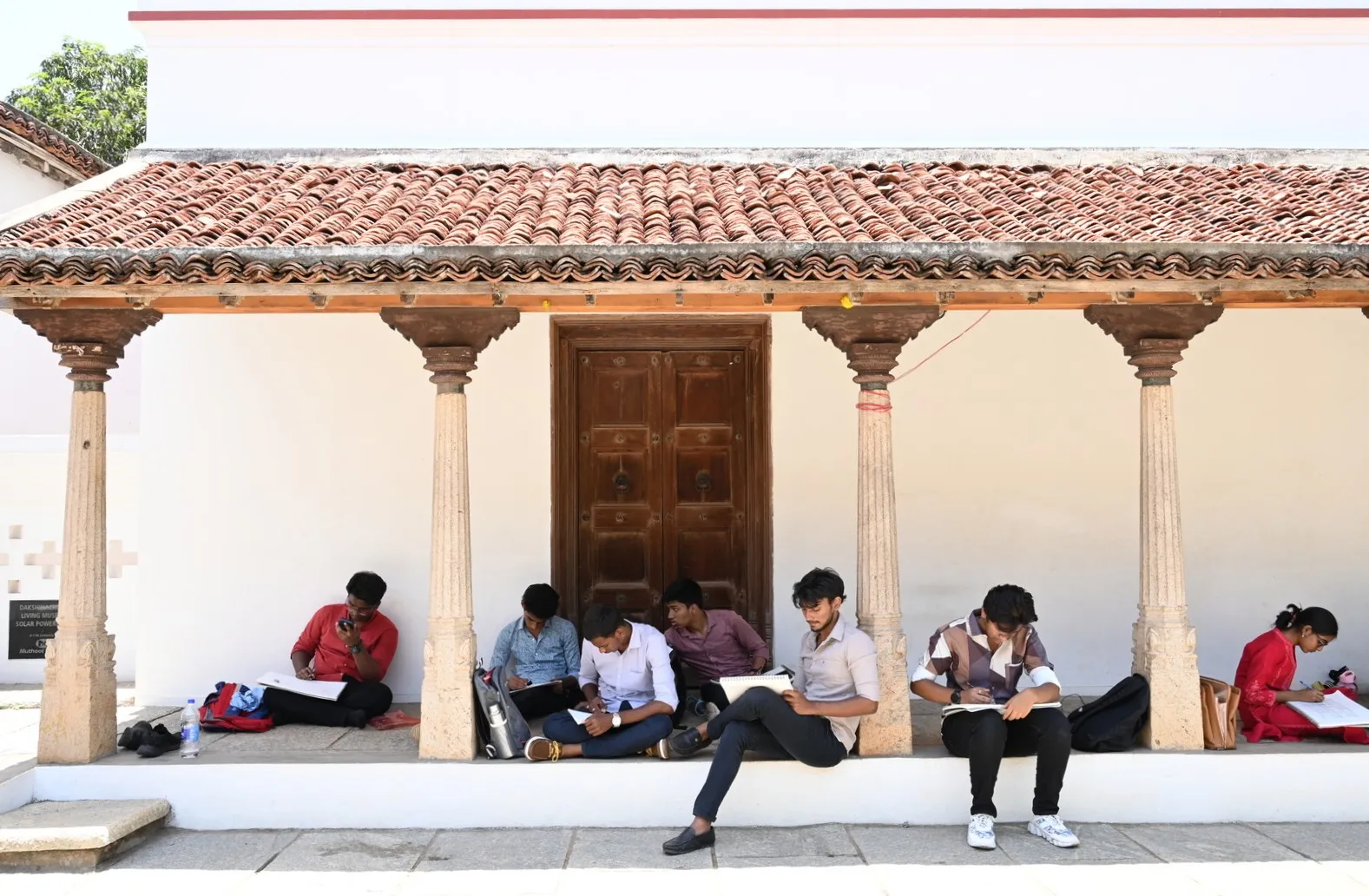
What can the campus teach students?

Architecture
Explore the design, construction, and cultural significance of heritage homes. Materials, climate adaptation, social spaces.

Textile Traditions
Journey through South Indian weaving, dyeing, and textile art. From raw materials to finished cloth.

Pottery & Ceramics
Learn the techniques, regional styles, and stories of traditional pottery and ceramic traditions.

Folk Dance Traditions
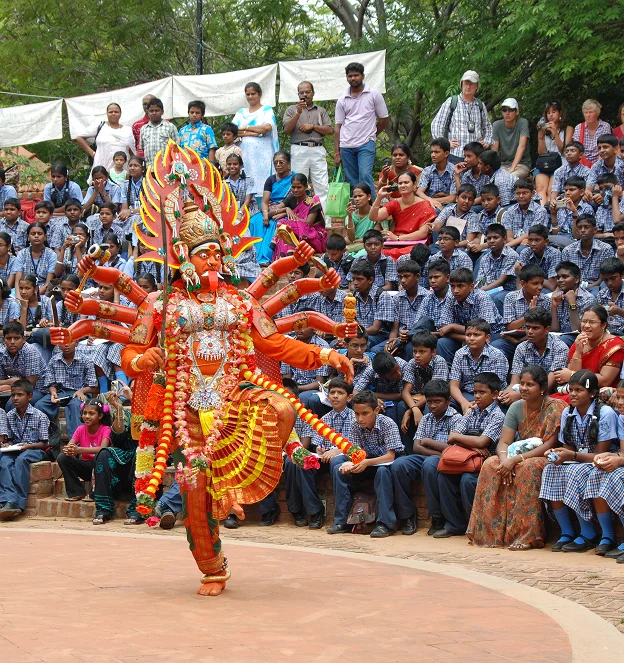
Learn movement, rhythm, and storytelling through forms such as Parai, Thappatu, Devarattam, Dollu Kunita, Dappu, and other regional traditions.
3-month certificate course
11am-1pm Sundays (12 sessions)
Internship Programme on Museum Management
A comprehensive internship in Arts and Museum Management that acts as a kickstarter or pivot into a career in arts and culture
Explore more in DakshinaChitra
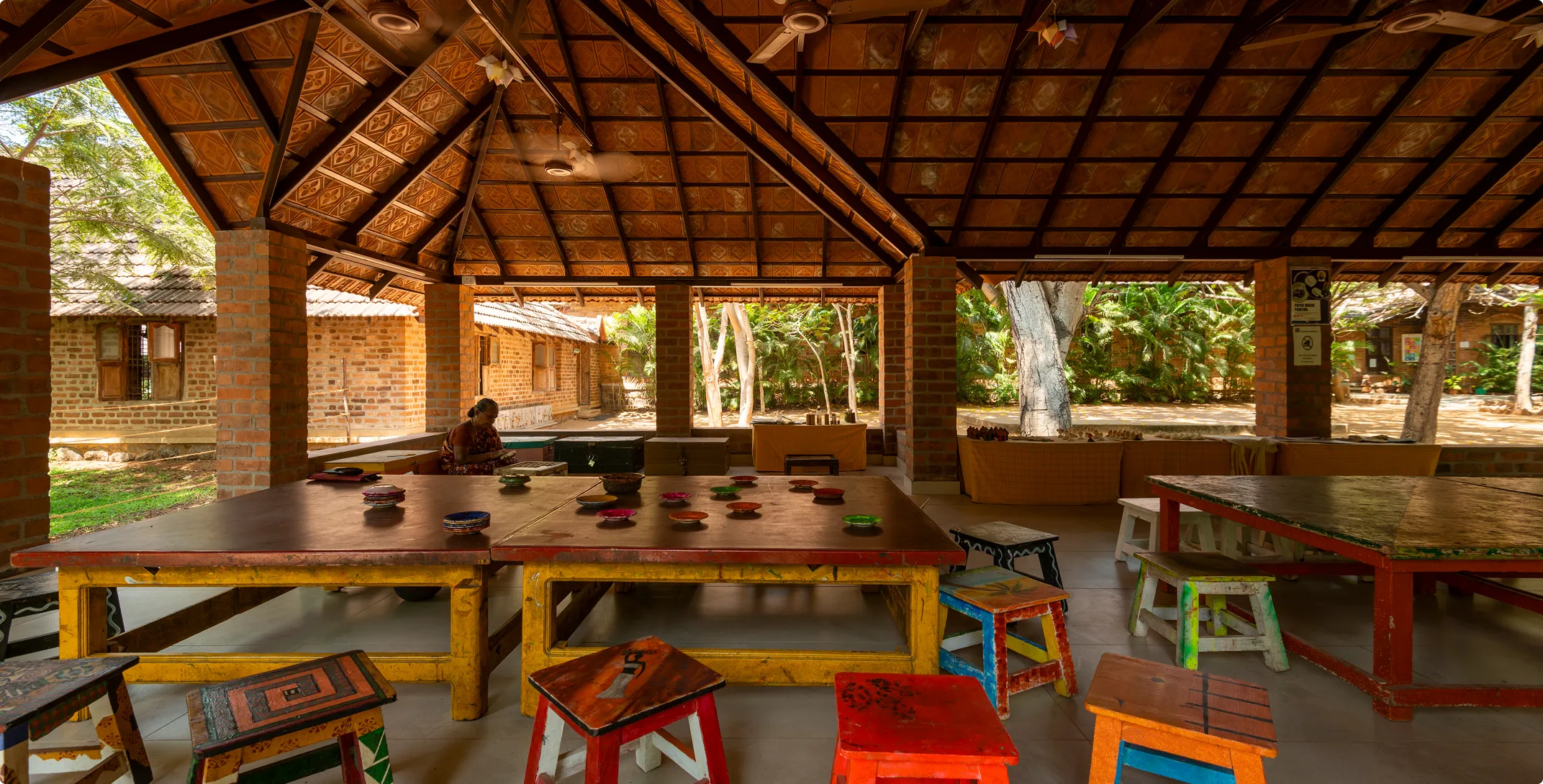
Creativity Corner
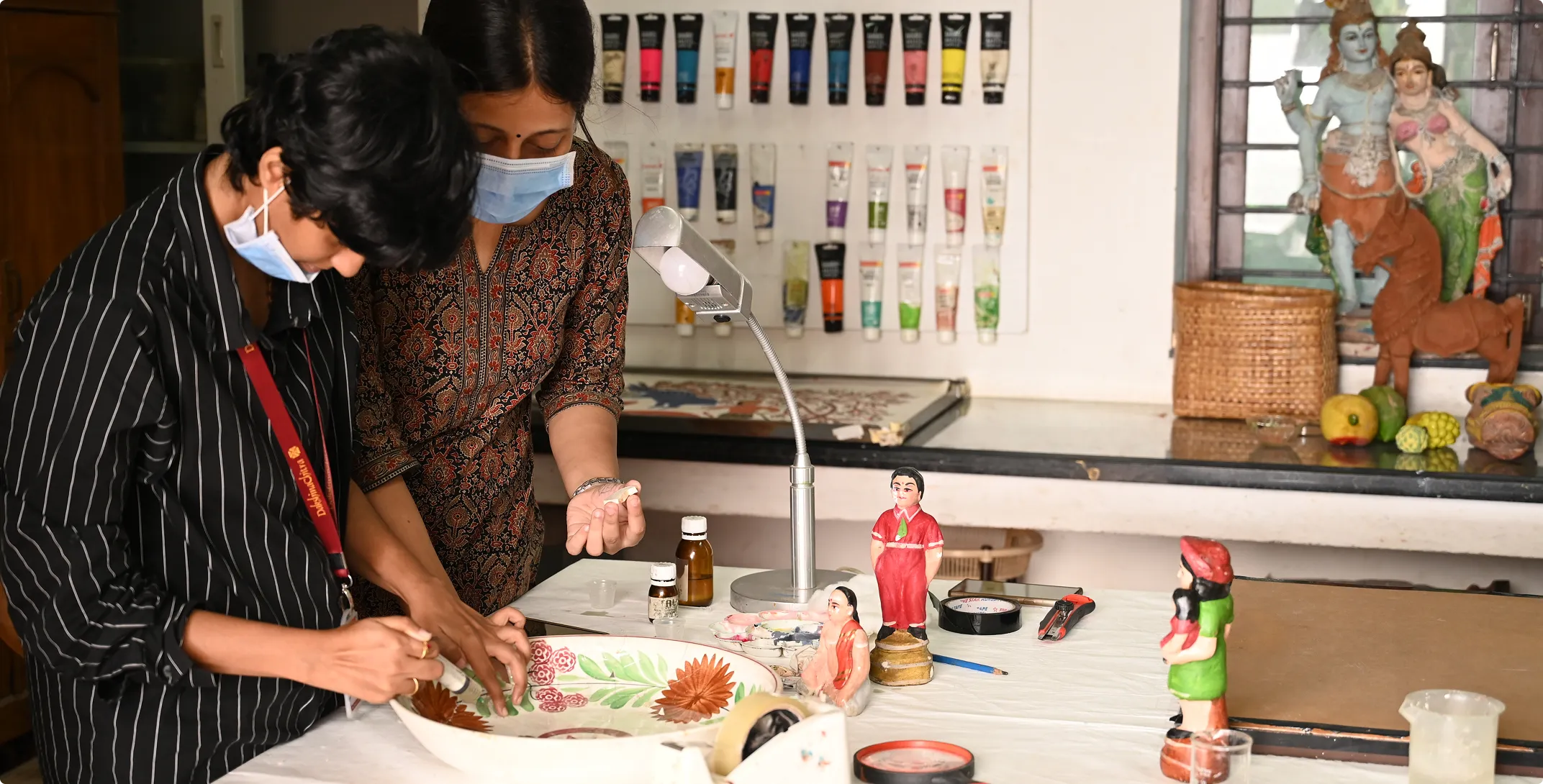
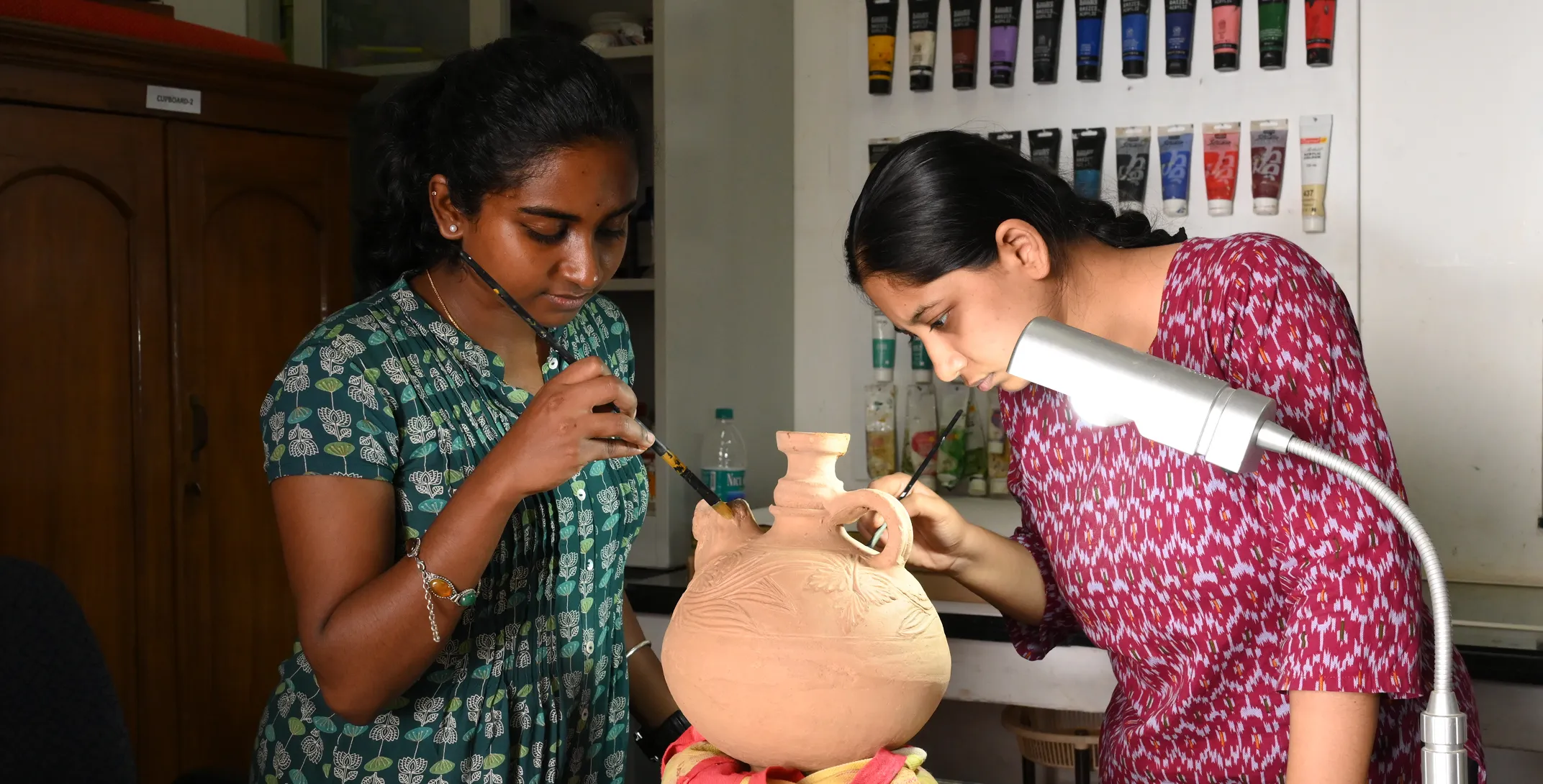
A space to sit down, unwind, and experience some therapeutic art and craft creation. We have paints, materials and ideas for you to get creative
Downloadable Resources
Activity sheets, trail guides, and games were developed for use before, during, and after a visit. All materials are grounded in objects, houses, and collections on the DakshinaChitra campus.

For Teachers
The Architecture and Art Teacher's Kit was developed for use in the classroom before, during, and after a DakshinaChitra visit. Its framework is built around five questions every student can ask of any traditional house: What form does it take? What materials was it made from? How are its spaces used? How is it decorated? What beliefs does it carry? Pre-visit discussion guides, vocabulary sheets, and post-visit reflection activities are included.
Audio Guides
Available across the heritage houses. Written for independent visitors and useful for pre-visit planning. Accessible for visitors with visual impairments.
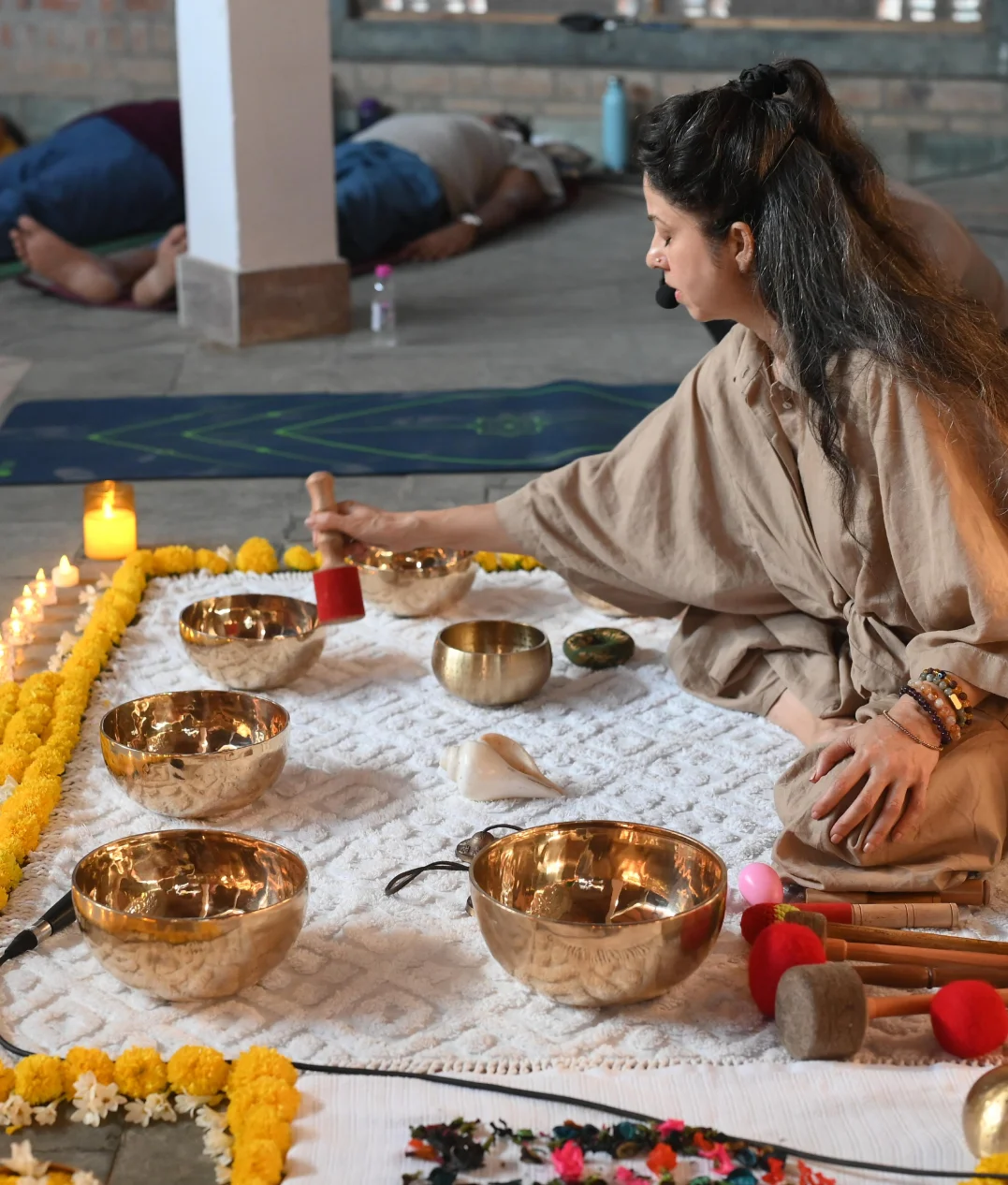
Seminars & Conversations
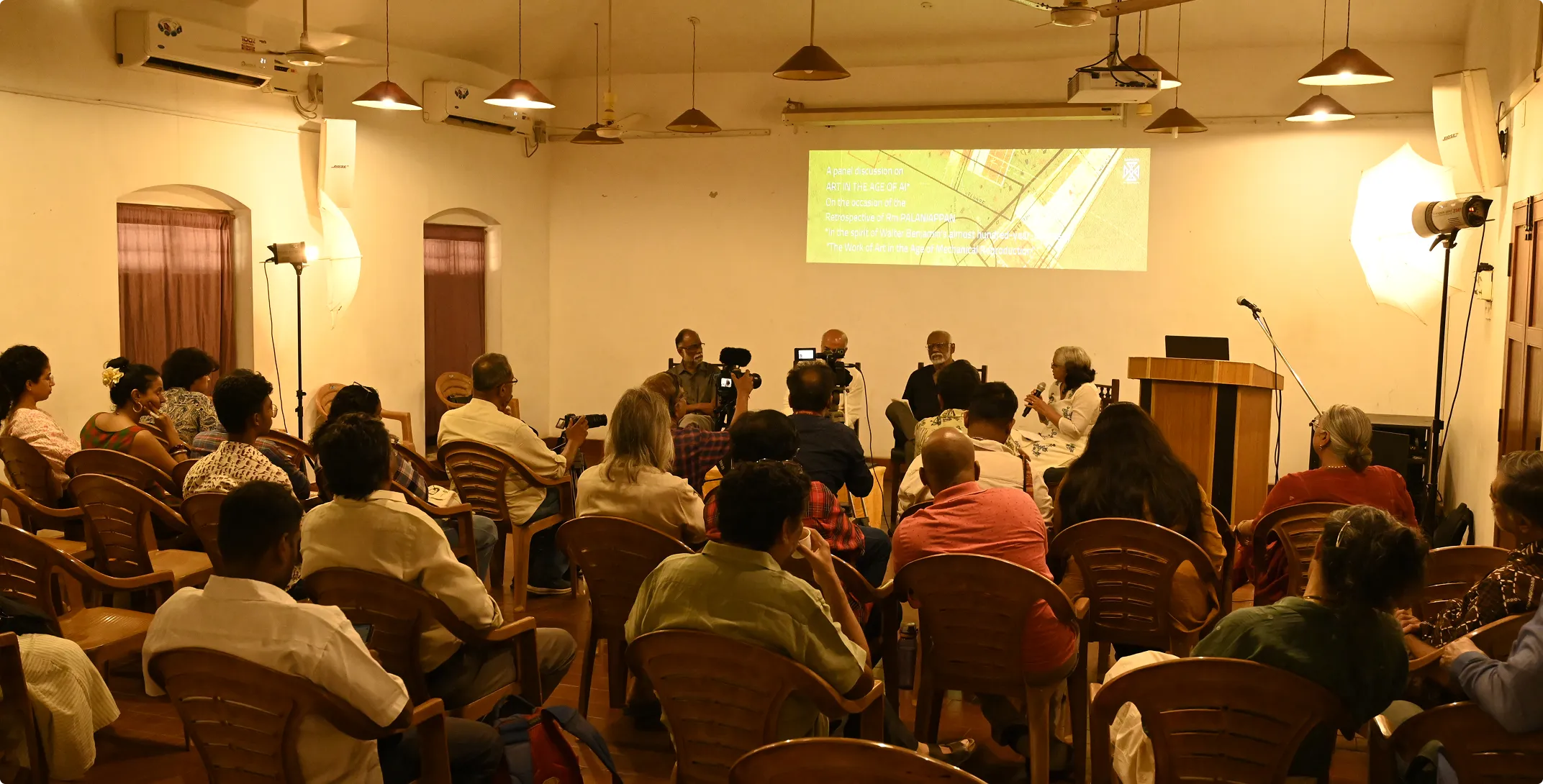
Learning at DakshinaChitra extends beyond the museum galleries. Throughout the year, the museum hosts lectures, conversations, panel discussions, seminars, and presentations led by artists, scholars, architects, historians, craftspeople, and cultural practitioners. These sessions explore South India's art, architecture, craft traditions, folklore, design, and material culture, offering opportunities to engage with ideas, research, and contemporary perspectives.
Seminars we’ve conducted over the years and resulting publications:

The Tamil Landscape - Culture and Traditions
Published 2018
MadrasCraft Foundation/DakshinaChitra Publication

STREET ART: Popular Expression in Urban India - 2016
Collected Seminar Papers
Edited by Dr. Stephen Inglis and Roos Gerritsen
Madras Craft Foundation /DakshinaChitra Publication

Sites of Recurrence, MCF 2003
Two Catalogues, one of the Chennai programme, and one in Swedish and English for the programme in Boras, Sweden
Collaborator: Dr.Elisabet Haglund
Organised by the Madras Craft Foundation and Boras Konstmuseum, Sweden

Traditional and Vernacular Architecture, MCF 2001
Collected Seminar Papers
Collaborator: Dr.Michael Meister
Organised by the Madras Craft Foundation with The History of Art Department, University of Pennsylvania, U.S.A and supported by Shastri Indo-Canadian Institute and The Japan Foundation

Maker and Meaning: Craft & Society, MCF 1999
Collected Seminar Papers
Collaborator: Dr.Stephen Inglis
Organised by the Madras Craft Foundation with The Canadian Museum of Civilisations and sponsored by The Japan Foundation

Behind the Mask
Possession, Dance and Healing in South India Centre for South and Southeast Asian Studies, University of Michigan Press.
Collaborator: David Shulman and Deborah Thiagarajan
Further Reading
Selected writing on craft, architecture, folk arts, and how we teach them
Plan an educational visit